
Mistakes to Avoid During a Lemon-Law Claim: How to Protect Your Rights (Repair Records, Loaner Cars, Communication with Dealer, etc.)
When your car is experiencing repeated problems, filing a California Lemon Law claim can help you recover compensation, get a refund, or qualify for a vehicle replacement. But many consumers unintentionally weaken their case by making avoidable mistakes — usually because they don’t know how the process works or what documentation matters most.
This guide explains the most common mistakes people make during a lemon-law claim and what you should do instead to protect your rights, strengthen your case, and avoid delays.
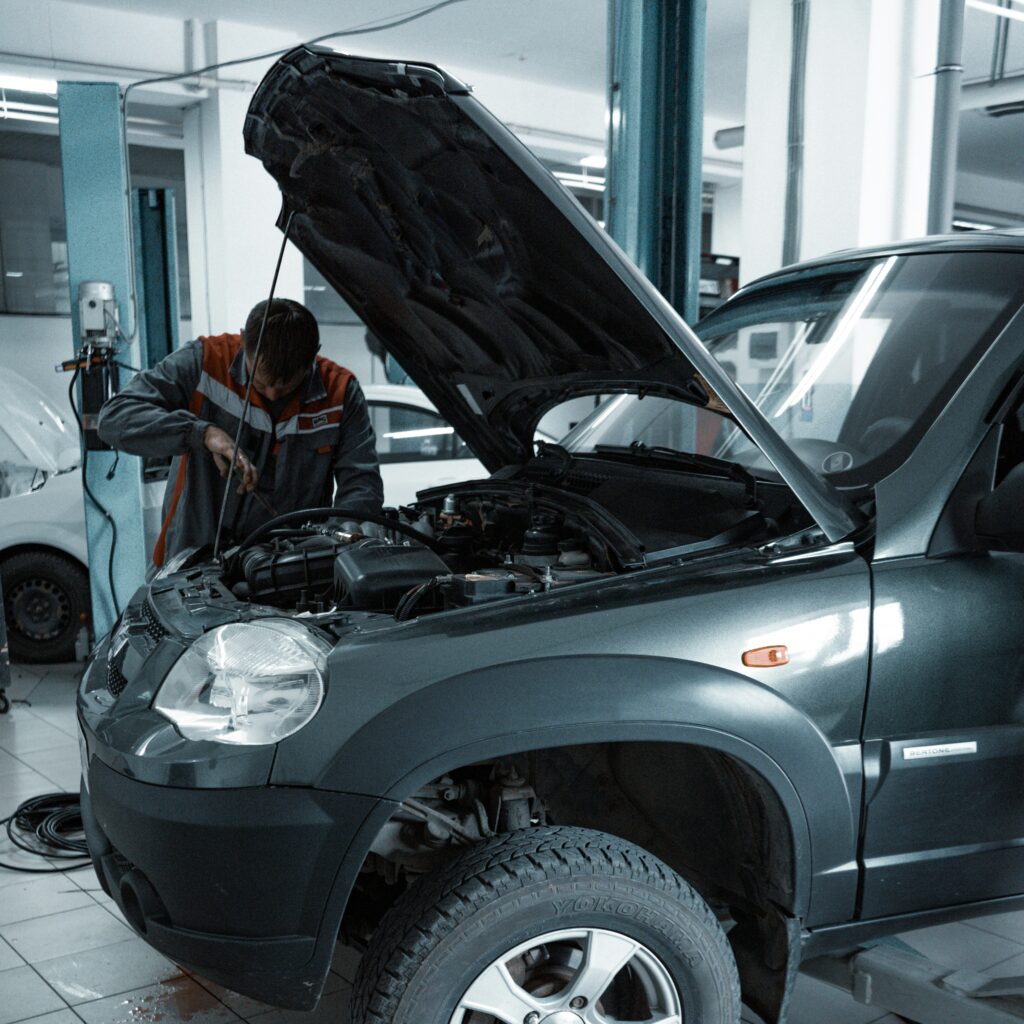
1. Not Keeping Copies of All Repair Orders
The #1 mistake consumers make is failing to keep copies of their repair orders (ROs) and invoices. These documents prove:
- What the dealer inspected
- What repairs were attempted
- How many days your vehicle was out of service
- Whether the issue was duplicated or diagnosed
Why it matters:
California Lemon Law requires you to show reasonable repair attempts. Without repair orders, you have no evidence.
What to do instead:
- Always ask for a printed or emailed repair order each time you drop off your vehicle
- Before leaving the dealership, confirm that the RO includes:
- Accurate problem descriptions
- All diagnostic steps
- Dates and mileage
- Days out of service
2. Not Describing the Problem Clearly When Dropping Off the Vehicle
Dealers sometimes write vague notes like “customer states vehicle acts weird” — which hurts your claim. Instead, be specific about what the actual problem is and how often it happens.
Why it matters:
Clear descriptions help prove the recurrence of the same substantial defect over multiple repair attempts.
3. Not Taking Photos, Videos, or Screenshots
Consumers often assume the dealer will document everything — but they don’t.
Document everything yourself, including:
- error messages
- dashboard warning lights
- noises (video/audio)
- symptoms that the dealer claims they “can’t duplicate”
- tow receipts
- roadside assistance records
This evidence can make or break a claim, especially for intermittent issues.
4. Letting the Dealership Pressure You Into “No Problem Found”
Some dealers report “Could Not Duplicate” even when ongoing problems exist.
How to protect yourself:
- Bring photos/video proof
- Request a test drive with a technician
- Ask the advisor to write your symptoms exactly as described
- Do not accept “that’s normal” without an explanation in writing
5. Not Tracking the Days Your Car Is at the Dealership
The law protects you if your car is:
- Out of service 30+ days (not necessarily consecutive), or
- Repaired unsuccessfully multiple times for the same defect
But many people forget to record:
- Drop-off dates
- Pick-up dates
- Loaner car information
- Delays waiting for parts
Your record should match the dealership’s repair orders.
6. Not Asking for a Loaner Car
If your vehicle is under factory warranty, many manufacturers will cover costs for:
- Loaner vehicle, or
- Rental reimbursement
But dealerships don’t always offer this unless you ask.
Tip: Save all documentation — rental receipts, mileage, insurance charges — since you may recover these costs in a lemon-law claim.
7. Communicating by Phone Only (Without Written Proof)
Verbal conversations with dealerships or manufacturers leave no trail.
Protect yourself by communicating in writing, such as:
- Text (if dealership allows)
- Online service portals
If you must speak by phone, follow up with an email recap. This creates a timestamped record that strengthens your case.
8. Not Reporting New Problems Immediately
Some owners wait months before going back to the dealer, hoping the problem resolves itself.
This can:
- weaken your claim
- allow the manufacturer to argue “customer neglect”
- push repairs outside the warranty window
Report defects immediately and document them on a repair order.
9. Waiting Too Long to Start the Lemon-Law Process
California Lemon Law applies during your vehicle’s warranty period, but many people wait too long, assuming the issue will “fix itself later.”
If your vehicle has:
- multiple repairs for the same issue, or
- a major safety defect, or
- 30+ days out of service,
…it’s time to seek legal help now, not after the warranty expires.
10. Trying to Handle the Claim Alone Against the Manufacturer
Manufacturers have legal teams dedicated to minimizing payouts. Consumers who try to handle cases alone often:
- accept low settlements
- agree to unnecessary arbitration
- get stalled by “ongoing investigation” delays
- unknowingly waive rights
How to Strengthen Your Lemon-Law Claim from Day One
To protect your rights:
- Document every defect
- Keep every repair order
- Communicate in writing
- Track days out of service
- Save receipts and photos
- Report new issues immediately
- Get legal representation
And most importantly — don’t wait. The longer you delay, the harder your claim can become.

Need Help With a Lemon-Law Claim?
If you believe your car may qualify as a lemon, the attorneys at California Lemon Law Services can help.
They can evaluate your case for free — and the manufacturer pays all attorney fees.